


There’s a cliché about Paris that people love to trot out: it’s always a good idea. And yes, it’s a cliché because it’s true. But here’s something you don’t hear quite as often: Paris is a different kind of good idea depending on where you sleep at night.
On a recent trip, I decided to test this theory in the most delightfully impractical way possible: by staying in a different type of accommodation each night for four nights. Night one in a hostel. Night two in a boutique bolthole. Night three in a grand old dame of a hotel. And the finale? The Ritz Paris.
It was, in short, the best travel experiment I’ve ever done. Here’s how it unfolded.
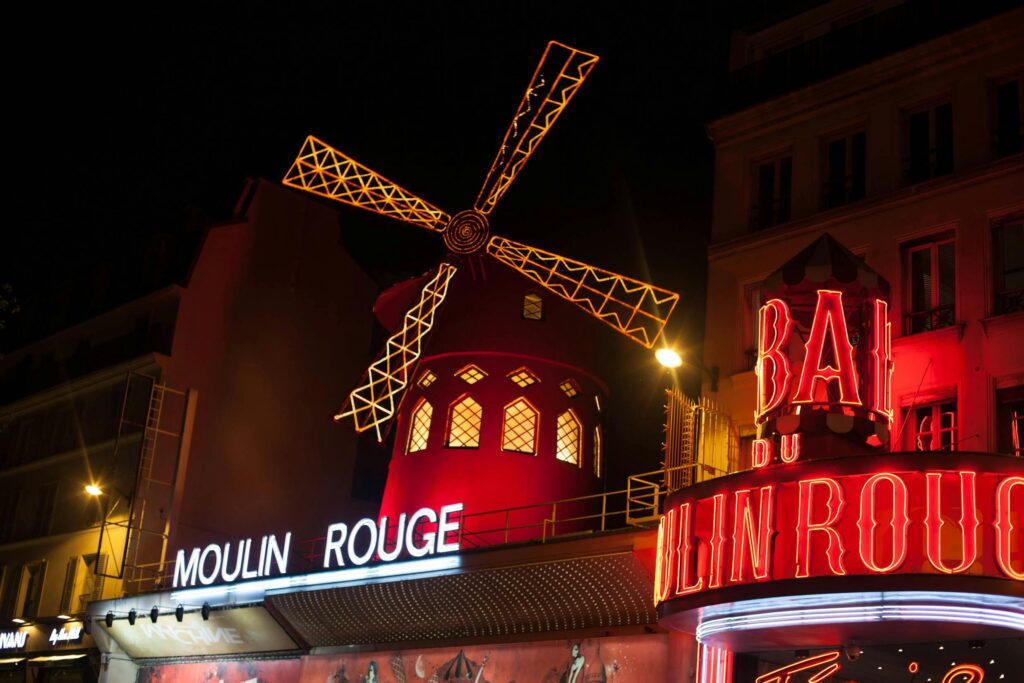
Night One: Bunk Beds and Crepes in the Latin Quarter
I arrived in Paris with the soft light of late afternoon slanting across the city. My Eurostar pulled into Gare du Nord, and by the time I navigated the Metro to the Latin Quarter, the streets were humming. Café tables spilled onto pavements, students lounged on the steps of the Sorbonne, and the smell of crêpes and espresso lingered in the air.
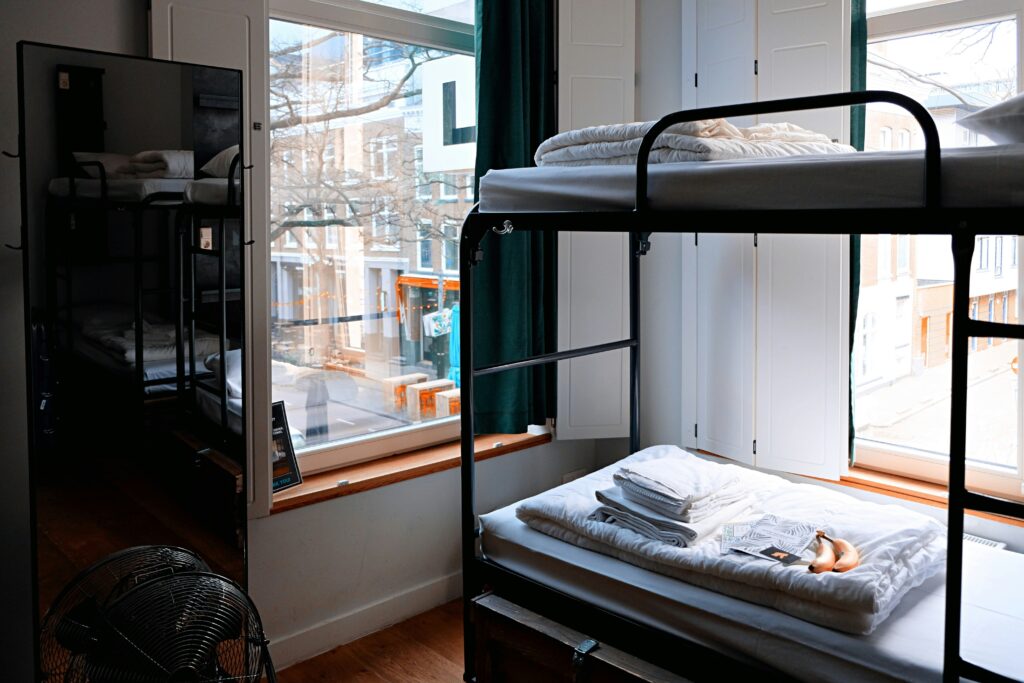
My hostel was exactly what you’d imagine: bright signs, mismatched furniture, and a check-in desk manned by a cheerful twenty-something who gave me a map and a warning about pickpockets in the same breath. My dorm had four bunks. Two were already claimed: one by a Canadian girl with a Lonely Planet guidebook that could double as a doorstop, the other by an Australian who greeted me with, “So, where’ve you come from?” before I’d even dropped my bag.
We swapped names and stories. Within an hour, I’d been roped into a group outing: a nighttime wander along the Seine. And here’s the magic of hostels: within hours, I went from stranger to friend.
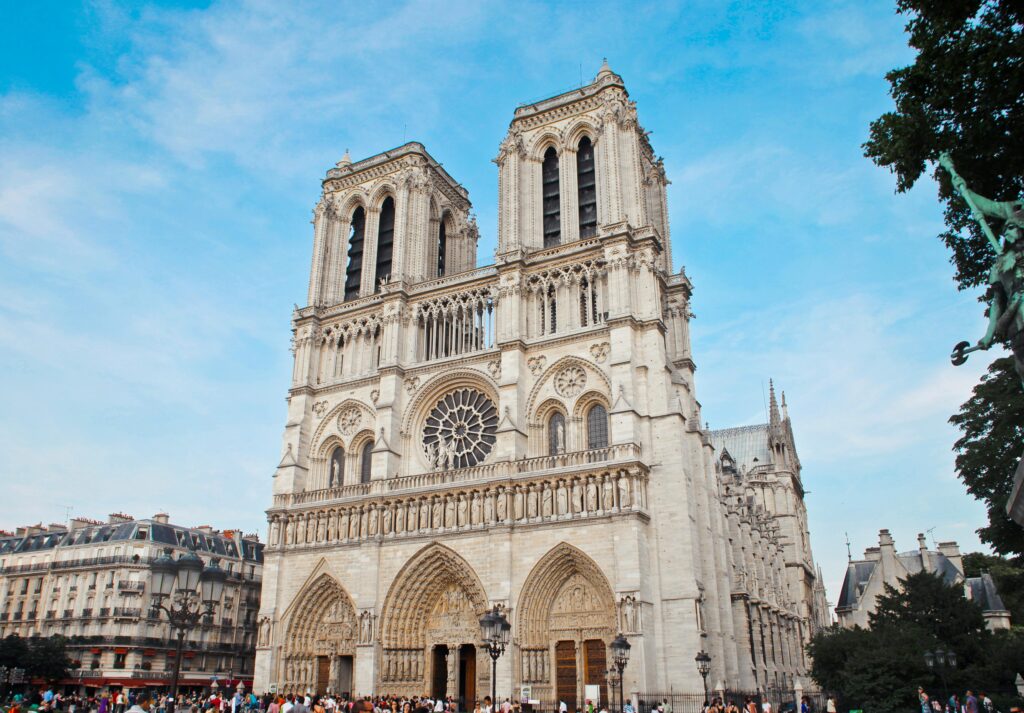
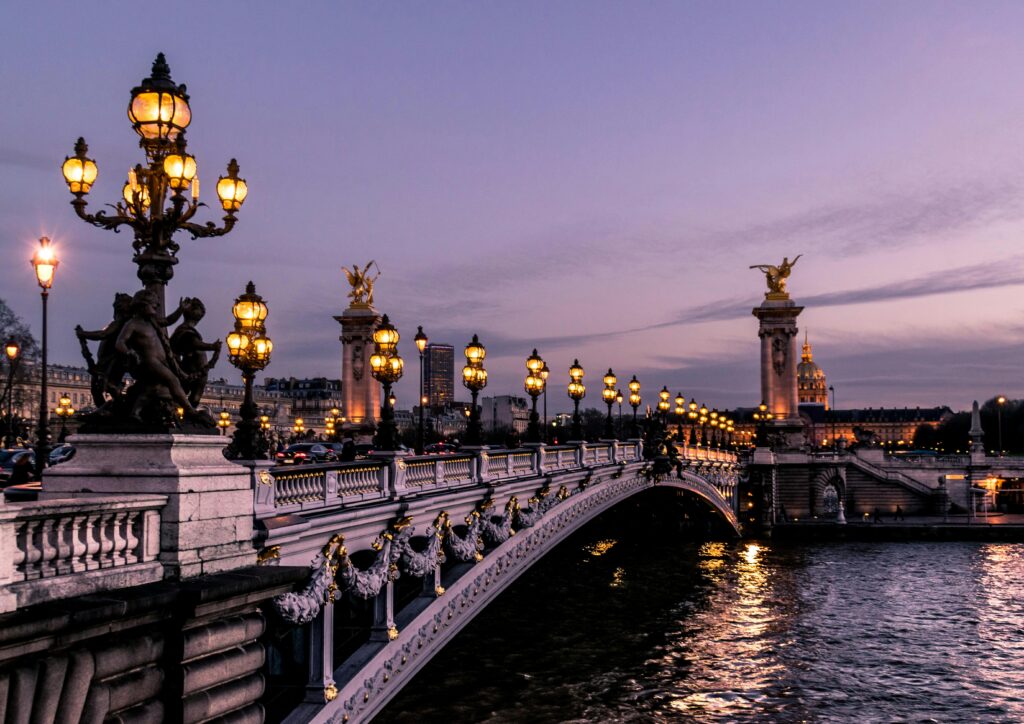
We crossed the Pont Neuf, marvelled at Notre Dame glowing against the night sky, and pooled our coins for Nutella crêpes from a vendor whose pan seemed older than all of us combined. Sitting on the stone steps by the Seine, Paris felt electric, alive, and young. I thought about all the writers and dreamers who’d done the same before me, and I couldn’t help but grin.
Back in my bunk bed, I curled up under the thin blanket, listening to muffled laughter from the courtyard. It wasn’t quiet, and it wasn’t glamorous—but it was Paris. That night, it felt like the city belonged to all of us.
Night Two: A Boutique Retreat in Le Marais
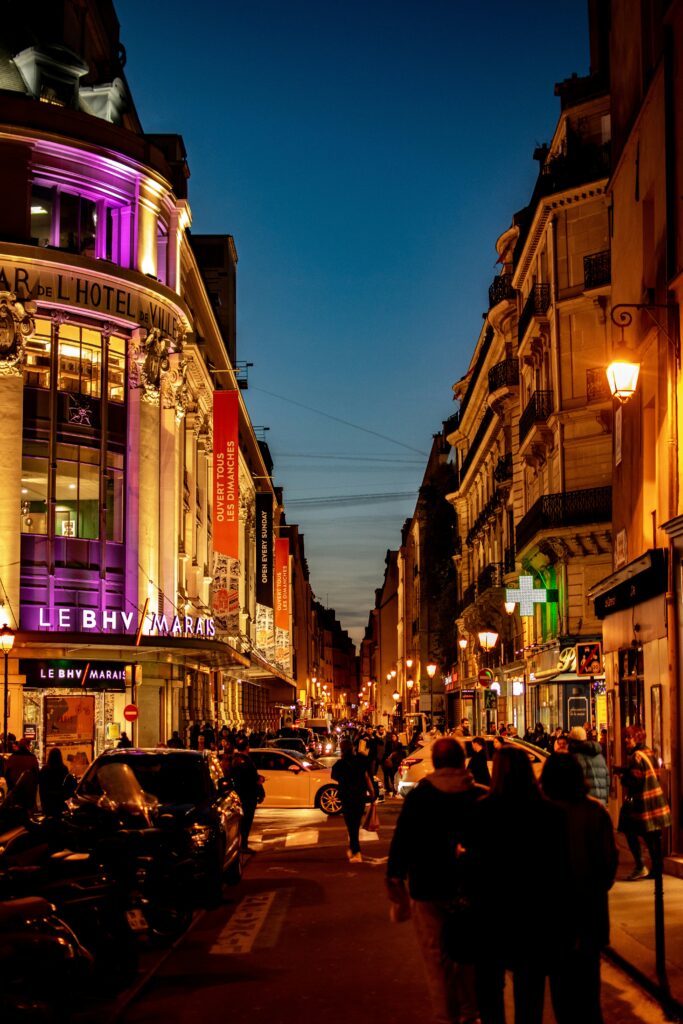
The next morning, bleary-eyed but happy, I left the hostel behind and walked across the Seine to Le Marais. Paris changes block by block, and Le Marais felt like another world entirely. Chic boutiques, cobblestoned streets, art galleries tucked into courtyards—it was the kind of neighbourhood that makes you want to carry a baguette under your arm, just to play the part.
My boutique hotel was a tiny gem. The entrance was framed by potted plants, and my room—though small—had a balcony with wrought-iron railings and shutters painted pale green. From the window, I could see cyclists weaving past bakeries, children clutching oversized baguettes, and couples strolling hand in hand. It was Paris distilled into a single view.
That afternoon, I let myself wander. I ducked into vintage shops, browsed in galleries, and paused in Place des Vosges, where locals sunbathed on the grass while teenagers strummed guitars. I grabbed falafel from L’As du Fallafel, juice dripping down my wrist as I ate it standing in the street, grinning at the sheer delicious mess of it all.
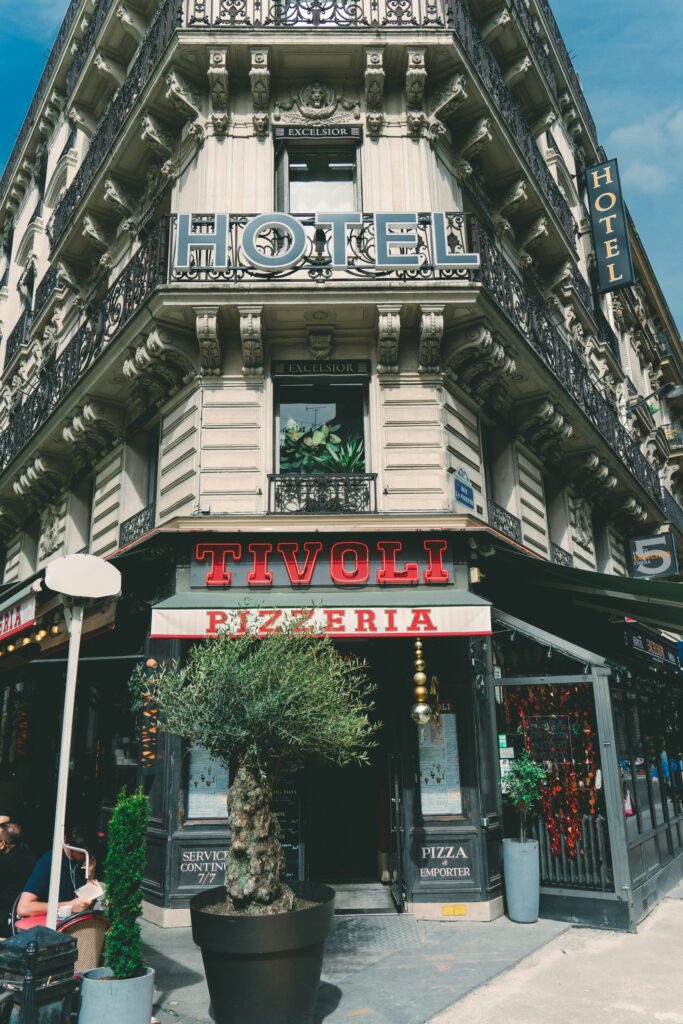
Evening brought golden hour, when Le Marais glows like a film set. I sat outside a wine bar, sipping a glass of red and people-watching as the city slowed down. Back in my boutique room, I opened the balcony shutters to let in the hum of the neighbourhood, curled up with a book, and thought: this is the Paris of quiet intimacy.
The hostel had been social, chaotic, and alive. The boutique hotel was intimate, stylish, and just indulgent enough.
Night Three: A Grande Dame by the Opera
By day three, I was ready for glamour. Enter: a grand old hotel near the Palais Garnier opera house. Think chandeliers, velvet drapes, gilded mirrors, and a doorman who tipped his hat as though I were royalty.
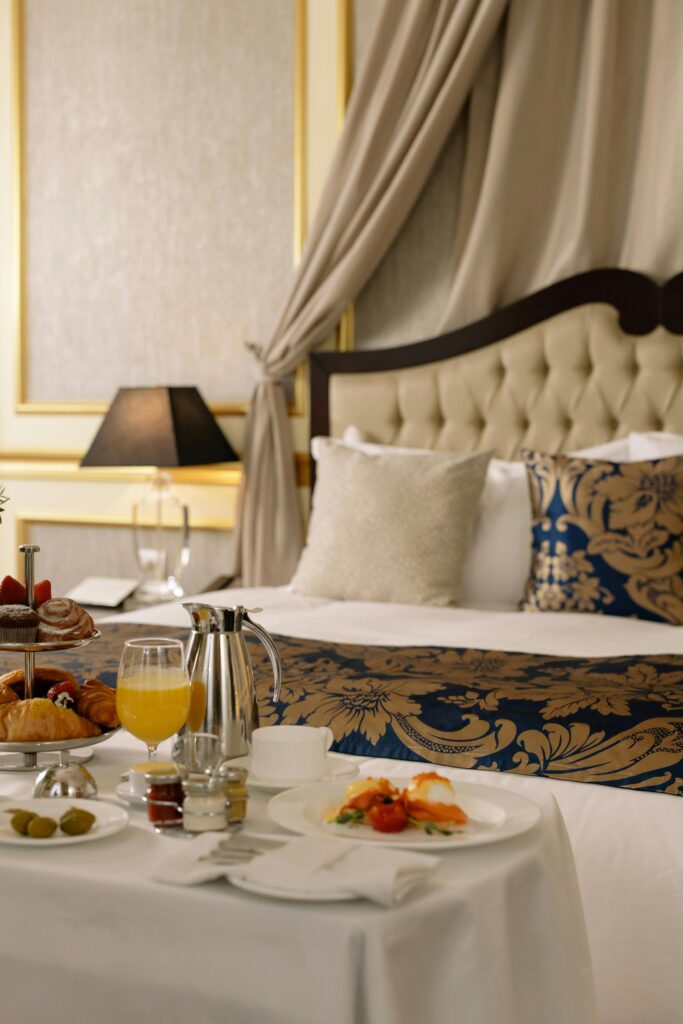
The lobby alone took my breath away. Sweeping staircases, marble columns, staff in crisp uniforms—it was Parisian grandeur turned up to eleven. My room was palatial, with soaring ceilings, gilded frames on the walls, and a bed that looked large enough to host a cocktail party.
That night, I leaned fully into the theatrics. I put on my best dress and headed to the Opera Garnier. Sitting beneath Chagall’s painted ceiling, surrounded by velvet and gold, I felt like I’d stepped into another century. The performance was in Italian, the plot slightly lost on me, but it didn’t matter. The spectacle was enough.
Afterwards, I returned to the hotel bar. A pianist played softly in the corner, and the bartender, with a flourish, handed me a martini so perfectly cold it seemed to shimmer in the glass. Around me, conversations in French, English, and a smattering of other languages floated through the air. Everyone seemed to be part of the same theatre—the theatre of Parisian nightlife.
That night, slipping into sheets that felt impossibly crisp, I thought: so this is Parisian spectacle, inside and out.
Night Four: The Ritz Paris
And then, the grand finale: The Ritz Paris.
I’d been both excited and intimidated to stay here. The name alone carries weight—history, luxury, myth. This is where Coco Chanel lived, where Hemingway drank, where every gilded detail feels like it belongs in a novel.
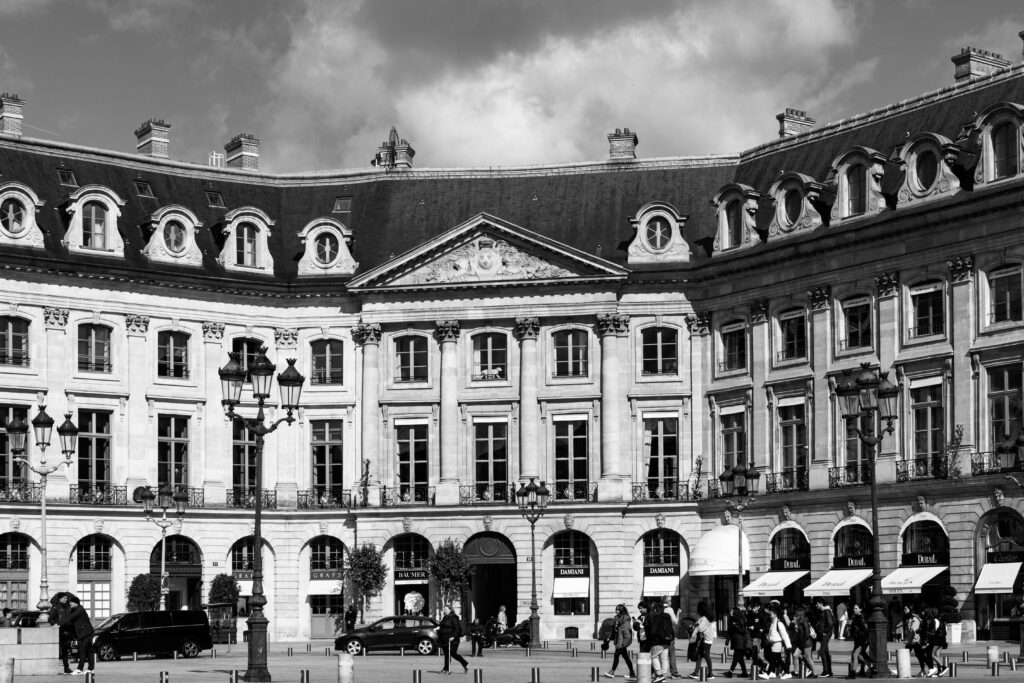
Arriving at Place Vendôme, the Ritz is impossible to miss: elegant, symmetrical, glowing with quiet confidence. Walking through its revolving doors, I felt a flutter of nerves. But the staff swept me into ease immediately, greeting me by name as though I’d been a guest for years.
My room was pure fantasy: silk drapes, embroidered linens, antique furniture polished to perfection. The bathroom was marble on marble, with a tub so deep it felt like a swimming pool. Even the toiletries came in glass bottles, lined up like jewels.
That afternoon, I wandered the Ritz gardens, manicured to perfection, before settling into the Bar Hemingway for a cocktail. Surrounded by dark wood, leather chairs, and framed memorabilia, I sipped a drink that tasted like history itself.
Dinner was an experience all its own. Every dish was artful, delicate, and absurdly delicious. I lingered over each course, half-expecting to see Hemingway himself stride in for a nightcap.
Later, tucked into the most comfortable bed I’ve ever encountered, I thought about how far I’d come in four nights: from a hostel bunk to a Ritz suite. Both, in their own ways, had given me Paris. One youthful and messy, the other timeless and refined.
Four Nights, Four Versions of Paris
Looking back, each night revealed a different face of the city:
- The hostel gave me spontaneity, laughter, and late-night riverside crêpes with strangers who became friends.
- The boutique hotel gave me intimacy, charm, and the sense of slipping into Parisian life, balcony shutters and all.
- The grand hotel gave me theatre, both on stage and in the very walls of the building, a reminder that Paris has always been about spectacle.
- The Ritz gave me history, luxury, and the kind of fairy-tale indulgence that makes you believe in clichés all over again.
The experiment worked better than I ever imagined. Paris is a city of layers, and sleeping somewhere new each night let me peel them back one by one.
Would I do it again? In a heartbeat. Though next time, maybe I’ll reverse the order—start with The Ritz, end with the hostel. Because really, what better way to remind yourself that Paris doesn’t need five stars to feel magical?